Insight
German biotech isn’t short on innovation. The missing ingredient is belief
Medical breakthroughs no longer equal belief. Right now, that gap is costing German biotech real value.
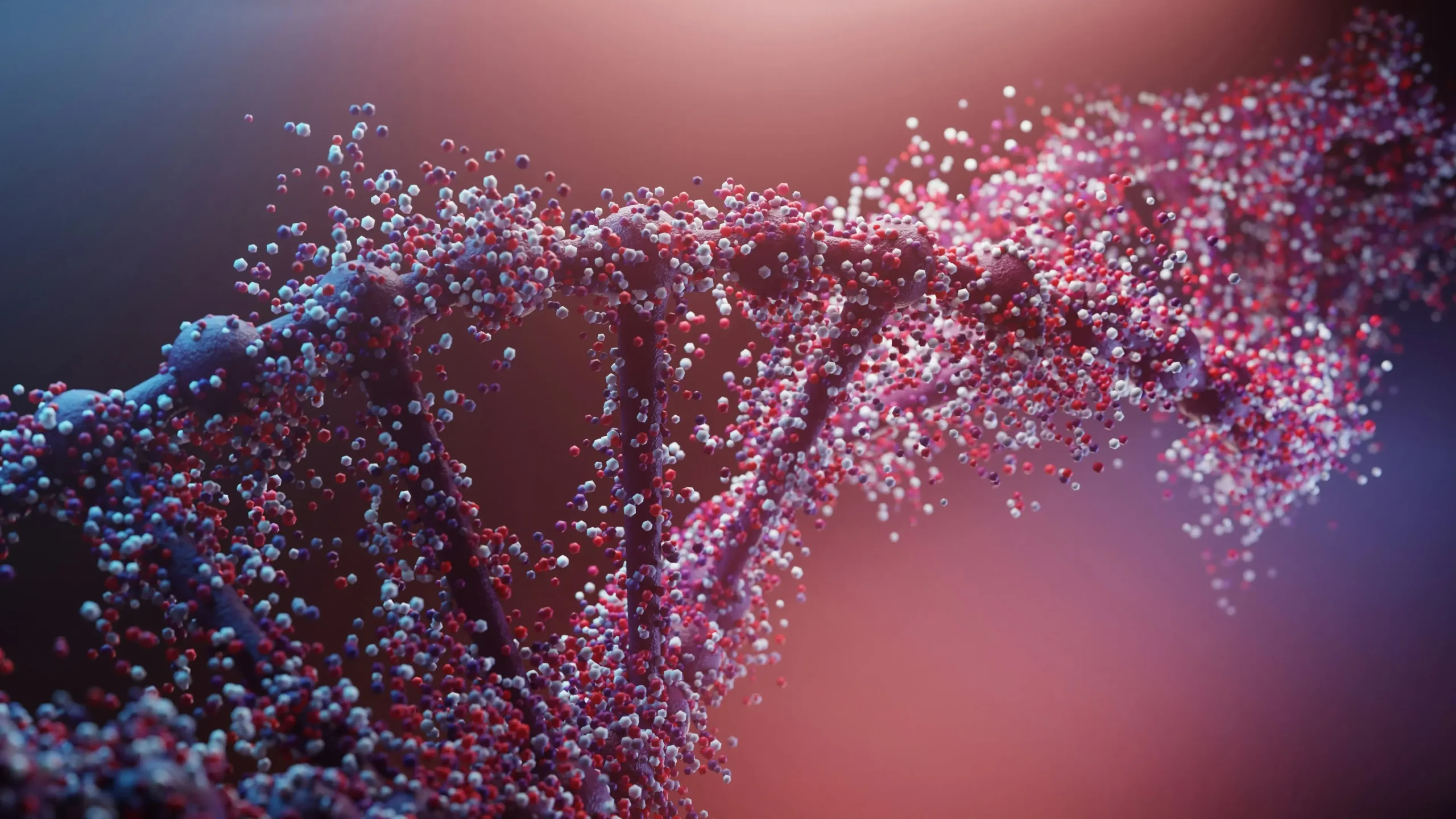
The science is strong, the pipelines real, and new therapies are emerging from German labs that rival anything produced globally.
And yet, capital isn’t flowing as it should. Partnerships aren’t closing as fast. Talent is looking elsewhere.
This isn’t an innovation gap in the German biotech landscape. It’s a gap in belief, and it’s entirely solvable.
The question the market is actually asking
Biotech companies are built to answer one question: does it work? Clinical trials are designed around it. The science, evidence, and regulatory pathways all exist to prove that the therapy works.
But investors, partners, and talent aren’t asking that question anymore. They’re asking a harder one: “Where does the value sit, and why should I back this company to capture it?”
Most German biotech companies can’t answer that clearly because no one has done the work of articulating it.
So the default response, from every stakeholder, is hesitation.
Investors, partners, and talent are asking a harder question: “Where does the value sit, and why should I back this company to capture it?”
Belief is what unlocks value
There’s a critical distinction that most biotech leaders miss: clinical proof answers the question of risk. Market belief is what unlocks value.
These are not the same thing and confusing them is expensive.
An investor who understands your Phase III data still needs to believe that your company – specifically, this leadership team, this model, this market position – is the one that will succeed. A partner reviewing your pipeline isn’t just assessing efficacy. They’re assessing fit, strategic alignment, and commercial potential.
When those questions can’t be answered clearly, value gets discounted quietly and consistently. And in biotech, where valuations hinge on future growth rather than current revenue, that discount starts earlier than most leaders realise and compounds.
The environment has changed. The old playbook hasn’t
For years, strong science could carry the story. Differentiation lived in the lab. If your data was compelling, the commercial case followed. That era is over.
Capital is tighter and far more selective. AI is accelerating discovery at a pace that is rapidly collapsing scientific differentiation. What took years to develop can now be replicated in months. Competition is no longer regional; it’s global and intensifying.
There’s a critical distinction that most biotech leaders miss: clinical proof answers the question of risk. Market belief is what unlocks value.
In this environment, the companies that stand out won’t be the most innovative but the most believable. The ones that can make their science legible, their model compelling, and their future concrete.
German biotech is, on the whole, still operating on the old playbook.
What building belief actually requires
Belief isn’t built through better messaging or a refreshed visual identity. It’s built through structural clarity that allows investors, partners, and talent to quickly grasp why a company will be viable.
Building that belief means connecting three things that rarely align on their own:
Scientific credibility: what the data actually proves and why it’s defensible.
Commercial logic: where value sits in the model and how it scales from here.
Market clarity: why this company, specifically, will win — in a way that’s meaningful to the people who fund it, partner with it, and join it.
When those three elements are aligned, something shifts: decisions get made faster, momentum builds, and capital moves with more conviction because belief finally has something solid to attach to.
Brand is the infrastructure
The instinct in most biotech companies is to treat brand as a downstream concern: something you invest in when you’re big enough, after the science is proven, once the commercial model is established.
That instinct is costing companies. Significantly.
When those scientific credibility, commercial logic, and market clarity are aligned, something shifts: decisions get made faster, momentum builds, and capital moves with more conviction because belief finally has something solid to attach to.
Brand, done properly, is the mechanism through which scientific credibility becomes market belief. It’s how a company’s value becomes clear, coherent, and convincing to investors trying to back the right bet, to partners assessing strategic fit, to talent deciding where to build their careers.
This isn’t about logos and taglines. It’s about building the commercial case so clearly that the right people can see it and act on it.
The next generation of German biotech leaders won’t just ask “does it work?” They’ll ask: “can the people we need to convince (investors, partners, talent) understand why it matters, and back us because of it?”
In a tighter capital environment, with global competition and accelerating parity in discovery, that question will determine who scales and who stalls.
German biotech has the science. The pipeline. The talent. What it needs now is the conviction and a belief story that matches the quality of the science behind it.
The companies that get this right will stand out and they’ll be the ones that get funded, get partnered, and ultimately, scale.
Brandpie helps biotech companies build the belief that turns scientific credibility into commercial momentum across investors, partners, and talent. If this resonates, let’s talk.
About the author: Max Bhugra-Schmid, Senior Consultant
A strategic and creative consultant, Max helps clients clarify their vision, align stakeholders, and connect their brand strategy to their business strategy.
Share this page