Insight
AI hasn’t made brands stronger. It’s made them matter more
In a world saturated with AI slop, brand matters more than ever.
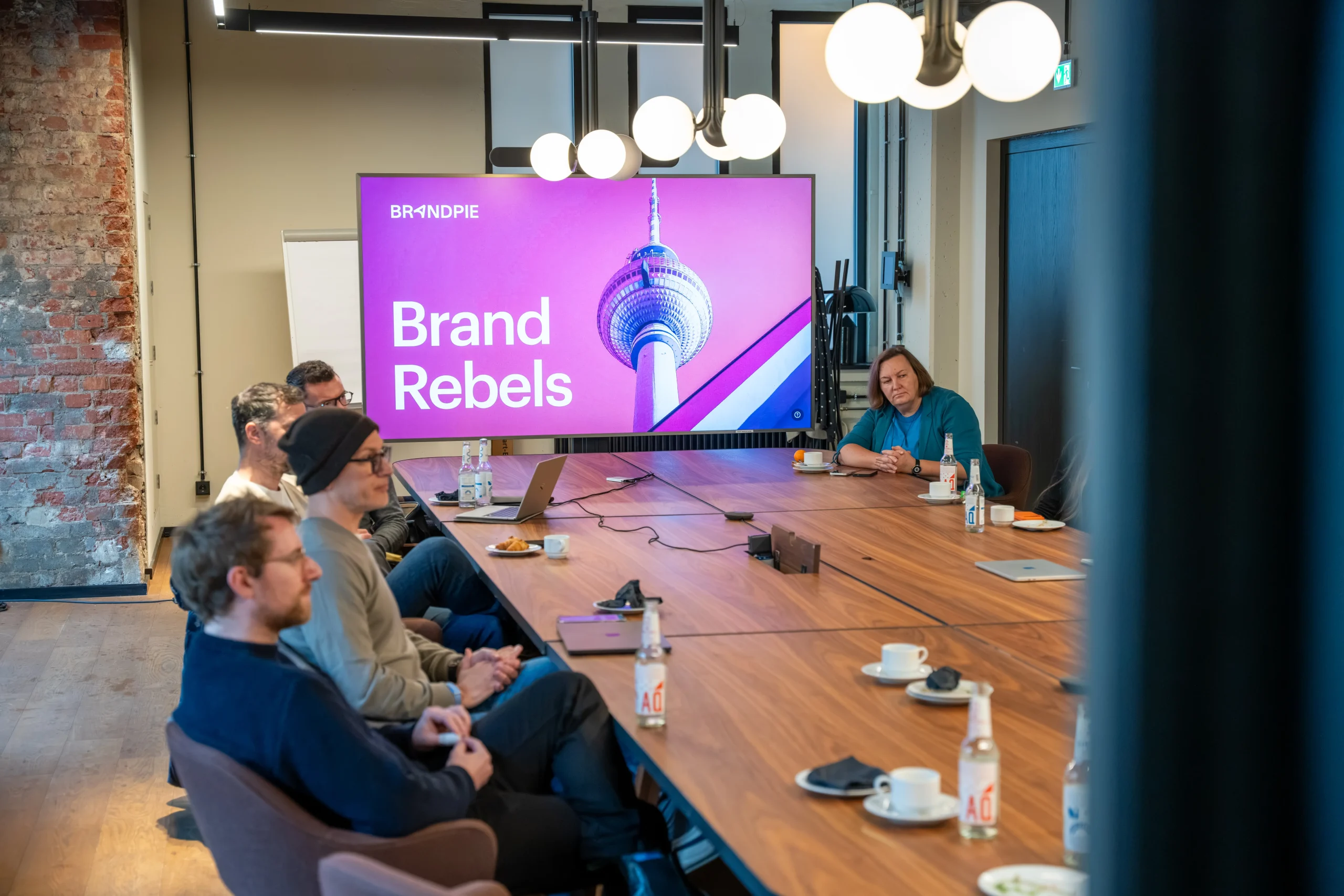
On a cold November morning in Berlin, we brought together a group of senior brand, marketing and growth leaders for our first Brand Rebels roundtable in the city. No slides, just a single question: when everyone has access to the same AI tools, where does competitive advantage come from?
There was no shortage of examples of AI delivering value, from automating weekly performance analysis and using synthetic customer personas to test messaging, to developing assets in weeks that would previously have taken months.
Then came the question that changed the mood. After two or three years of using AI, who believes their brand is stronger than it was before?
Some half-raised hands, a few murmurs, but no one uttered a confident yes. Then someone said what everyone was thinking. Stronger? No. But definitely more important.
That crystalized one of the biggest themes of the day. In a world saturated with AI-created content, the fundamentals of brand building are more important than ever.

AI amplifies the good and the bad
One idea from early in the session became the thread for the rest of the morning. AI is the great amplifier, but it amplifies the good and the bad in equal measure. If your foundations are sound, you get more of what works. If they’re not, you get more of what doesn’t.
That showed up in very practical ways. AI has enabled everyone to make their own presentations, visuals and copy. One leader even called it chaotic and wants guardrails that keep everything on brand, everywhere. Another team is building a custom brand operating system: tools loaded with tone of voice, visual rules and fresh brand tracking data, so sales teams can create on-brand content at pace.
But even with these foundations in place, there’s still the question of quality. As one attendee pointed out, two people can work from the same guidelines and produce very different work. AI makes it easy to create, but there’s no replacing human judgment.
Different routes to the same destination
It was fascinating to hear just how differently businesses are approaching AI governance.
For some, particularly those operating in highly regulated industries, the priority is understandably control. One business routes every AI request through a central gateway, automatically blocking anything containing customer data. Another selected its model, developed its governance framework and published a manual before purchasing a single licence.
At the other end of the spectrum, one business has largely stopped buying third-party software, instead bringing together small, multidisciplinary teams to build tools around their own ways of working.
Given the very different contexts these businesses operate in, there’s little reason to think they should be adopting the same approach. What’s interesting is how much alignment there was around the intended outcome: a strong brand, quality content, and trust with customers.
AI makes it easy to create, but there’s no replacing human judgment.
People can tell when you don’t care
Inevitably, it didn’t take long for the conversation to turn to the topic of ‘AI slop’ – and not just on LinkedIn. Several leaders spoke about experiencing it within their own organizations, from poorly thought-through presentations to unnecessarily long documents that take more time to decode than they do to create.
The table summed it up simply: people can tell when you haven’t put the effort in, and they don’t forget it. It isn’t only marketers who notice. Everyone can feel when their time isn’t being valued.
On the flip side, some brands are leaning into craft and showing their working. We discussed examples of brands partnering with illustrators and artists, including a hand-painted stop-motion film that audiences initially assumed was AI-generated, until they saw the behind-the-scenes footage. When the effort is made visible, the medium becomes the message.
One leader cut straight to the chase, summing up the whole morning in three words: don’t be lazy. The tools aren’t the problem; it’s the way we use them that leads to problems.
Taste and judgment are non-negotiables
With the repetitive work that used to train juniors quickly disappearing, a question on everyone’s lips related to the next generation of talent. If you start your career with AI, how do you learn what good looks like?
A few were optimistic, but most were more sceptical, pointing to the skills we’ve lost through our reliance on things like calculators and digital maps. If you grow up with a tool, you may never learn to work without it.
In any case, the room quickly converged on one thing: the importance of judgment and taste. And as one leader put it, an untrained marketer with AI is still an untrained marketer.
If you start your career with AI, how do you learn what good looks like?
The value of brand
For all the disruption AI is bringing to the marketing function, it’s made one thing clear: the value of brand.
Leaders in traditionally performance-led businesses talked about a growing recognition of brand within their organizations. As the barriers to creating content come down, the ability to differentiate yourself and build trust with customers becomes an increasingly valuable source of competitive advantage.
At the end of the day, there was a great deal of alignment around some key principles:
• Take your customers seriously, and don’t add to the noise
• Challenge content that was made just because it could be
• Reinvest the time you’ve saved in building your brand
The tools will keep changing, and the methods will evolve, but the fundamentals of clear strategy and dedication to craft remain the same as ever. If anything, the business case for brand is stronger than ever before.
Share this page