
Good experiences aren’t designed in isolation. They’re shaped by evidence.
Bring structure, clarity and confidence to decision-making. Always connected to brand, strategy and commercial intent, not just usability, we help teams understand what’s really happening in their digital experiences, where users get stuck, what they value, and what’s quietly undermining performance.
We conduct research that is proportionate, purposeful, and focused on outcomes, not research for its own sake. Sometimes that means quick, targeted testing to validate decisions. Sometimes it means deeper exploration to reframe the problem entirely.
Our research work typically includes:
- Website audit, SEO review and content analysis
- Competitor analysis
- Qualitative and quantitative user testing
- Audience needs and behavior analysis
- Journey and usability testing
- Insight synthesis and experience recommendations
The value of real user insight
Digital experiences often evolve around internal priorities, stakeholder opinions or legacy decisions rather than real user behavior. Over time, this can create friction, reduce engagement and make it harder for websites and platforms to perform effectively. Research and testing help organizations make more informed decisions by identifying what users actually need, where experiences break down and which changes are most likely to improve performance.
By grounding decisions in evidence rather than assumption, organizations can reduce risk, improve usability and create more effective digital experiences over time.
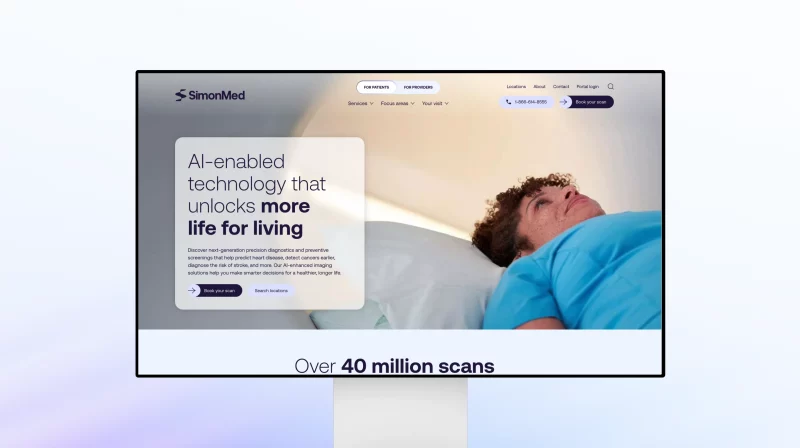
When assumptions drive decisions, risk quietly increases
User research doesn’t slow things down. It prevents expensive mistakes.
We’ve done this before
We work with global brands, complex organizations and teams navigating change, particularly where stakes are high and decisions need to be right first time.
Our capabilities
Effective digital experiences are built on evidence, not assumption.
Research and testing help organizations make more confident digital decisions by revealing how people think, behave and engage across experiences. Our capabilities combine user insight, behavioral analysis and practical testing to help organizations improve usability, reduce friction and shape more effective digital experiences over time.
We evaluate websites and digital experiences to identify usability issues, structural challenges and performance gaps that may be affecting engagement, clarity or effectiveness. Our reviews combine strategic perspective with practical recommendations grounded in real user behavior.
We analyze audience needs, motivations and behaviors to better understand how people interact with digital experiences. This helps organizations make more informed decisions around structure, content, usability and experience priorities.
We conduct both qualitative and quantitative testing to uncover how experiences perform in real-world conditions. From moderated testing and journey evaluation to behavioral analysis and performance trends, we help organizations identify friction points and opportunities for improvement.
We assess how users navigate websites, platforms and digital journeys to identify where experiences create confusion, hesitation or unnecessary complexity. Our approach helps organizations improve usability, strengthen engagement and support clearer user progression across experiences.
We evaluate competitor experiences and broader digital patterns to help organizations understand audience expectations, identify whitespace opportunities and benchmark the effectiveness of their own digital experiences.
Research is only valuable when it leads to action. We synthesize findings into practical recommendations that help organizations prioritize improvements, support decision-making and shape more effective digital experiences over time.

Stop guessing. Find the friction costing you conversions
Answer our twelve quick questions, and you’ll receive a personalized digital experience report. Helping you understand where you can improve your website experience.

Let’s connect
Create a world-class digital experience that delivers results. Connect with Paul Campbell, Managing Partner, Digital.
Still have questions?
User research explores needs, motivations and behaviors to frame the right problem. User testing evaluates how well an experience performs against those needs. We use both, deliberately, depending on what you need to learn.
Earlier than most people think. Testing concepts, structure and journeys before design or build reduces risk and sharpens direction. That said, testing remains valuable at every stage, including post-launch.
Both. We begin by reviewing existing research, analytics and insight before filling the gaps with targeted testing.
No. While digital is a core focus, our research often informs wider brand, content and experience decisions.
Yes. Research is often most valuable when improving existing experiences. It helps identify where users encounter friction, where journeys break down and which changes are likely to have the greatest impact.
We focus on insight that supports decision-making, not research for its own sake. Findings are synthesized into practical recommendations that help organizations prioritize improvements and shape clearer digital experience strategies.
No. Testing remains valuable throughout the lifecycle of a digital experience, from early concept validation and pre-launch evaluation to ongoing optimization after launch.
Research helps organizations understand how people actually engage with digital experiences, making it easier to improve usability, reduce friction and create experiences that better support audience needs and business goals.
Brandpie approaches research as a tool for better decision-making, not simply data collection. We combine audience insight, digital experience expertise and brand understanding to help organizations uncover what’s really shaping user behavior and digital performance.
Rather than delivering research in isolation, we focus on practical insight that helps teams prioritize improvements, reduce uncertainty and create more effective digital experiences.
Your website should work harder, not just look good. Our website health check cuts through surface metrics to reveal what’s really driving – or dragging – your digital performance.
